
2026 AIM Act Update
The American Innovation and Manufacturing (AIM) Act directs the EPA to phase down hydrofluorocarbons (HFCs) and transition to alternative refrigerants. The phasedown began in 2022 and continues through 2036. In October 2023, the EPA finalized the Technology Transition Rule, which sets guidelines for new system installations, retrofits and remodels, and the disposal of older systems. In September 2025, the EPA proposed a new technology transition rule, signaling ongoing regulatory updates as the phasedown progresses. No changes are official until the rule is finalized and published in the Federal Register.
Subscribe to our newsletter to stay up to date on these regulations.
EPA Low-Enforcement Period
In September 2025, the EPA proposed a new rule that would extend compliance dates for certain refrigeration technologies. This rule is not final. The EPA is actively refining these requirements, with a final ruling expected in the second quarter of 2026. As of December 22nd, 2025, a low-enforcement period is in effect for the Technology Transition Rule, meaning enforcement is paused until the final rule is published in the Federal Register.
The Technology Transition Rule is part of the AIM Act of 2020, which mandates the phasedown of hydrofluorocarbons (HFCs) due to their high global warming potential (GWP). The original 2023 ruling set timelines for transitioning to low-GWP refrigerants in air conditioning, heat pump systems, and refrigeration. Since the publication, the refrigeration industry highlighted concerns about cost, supply chain readiness, and safety implications.
Summary of the Low-Enforcement Period and Proposed GWP limits
These changes are currently proposed and not yet finalized. The EPA has announced a low-enforcement period that applies only to the interim GWP limits. The final rule is expected to be issued in the second quarter of 2026, and all details remain subject to change until then.
The revised restrictions for Retail refrigeration equipment include:
- Interim GWP limit of 1,400:
- Effective January 1, 2026 for remote condensing units
- Effective January 1, 2027 for supermarket systems
- Proposed final GWP limits starting January 1, 2032
- GWP of 150 for systems with ≥200 lbs refrigerant charge (excluding high-temperature side of cascade)
- GWP of 300 for systems with <200 lbs refrigerant charge or high-temperature side of cascade systems
The revised restrictions for Cold Storage Warehouse refrigeration equipment include:
- Interim GWP limit of 700
- Effective January 1, 2026 for new cold storage warehouses
- Proposed final GWP limits starting January 1, 2032
- GWP of 150 for systems with ≥200 lbs refrigerant charge (excluding high-temperature side of cascade systems)
- GWP of 300 for systems with 200 lbs refrigerant charge or high-temperature side of cascade systems
The revised restrictions proposed for Refrigerated Laboratory Shakers in the Industrial Process Refrigeration subsector is moved from January 1, 2026 to January 1, 2028.
Note: The HFC refrigerant phasedown schedule established by Congress remains in effect and is not changed by this proposed rule. HFC Refrigerant availability will continue to reduce over the next few years affecting supply and pricing
Zero Zone’s Response
Although Zero Zone can quote Hybrid™ display cases, purchasers would be aware that compliance with regulations is mandatory. The duration of the current low-enforcement period is uncertain, and the proposed ruling remains under review. To help ensure our customers remain compliant with regulations, Zero Zone will notify you of any modifications required for your order.
We are committed to supporting our customers through this evolving regulatory landscape. While the EPA’s proposed rule may eventually adjust certain deadlines and refrigerant allowances, we are allowed to continue sale of our HFC-refrigerant Hybrid™ display cases, remote condensing units, and remote display cases until the rule is finalized and published in the Federal Register. As always, Zero Zone will continue to follow the currently enacted regulations and compliance timelines.
Current GWP Limits for 2026: Retail Refrigeration
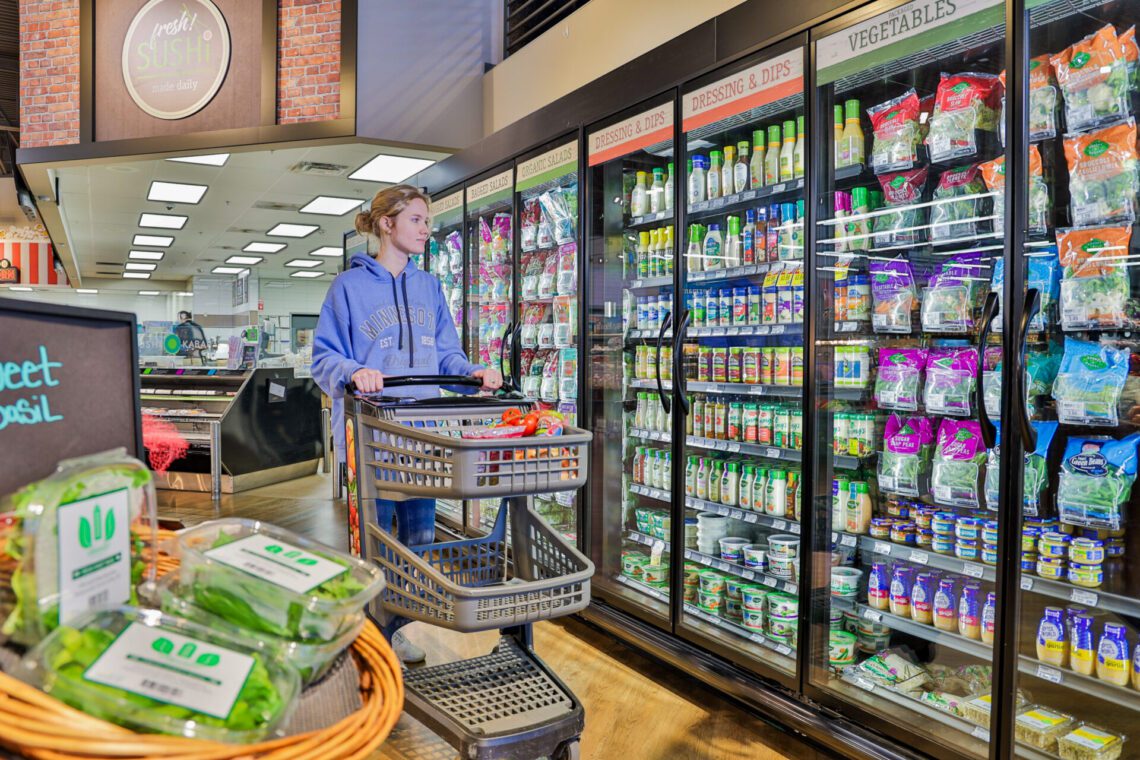
- Remote Condensing Units (≥200 lbs charge):
- Compliance Date: January 1, 2026
- GWP Limit: 150
- Remote Condensing Units (<200 lbs charge):
- Compliance Date: January 1, 2026
- GWP Limit: 300
- High Temp Side of Cascade System:
- Compliance Date: January 1, 2026
- GWP Limit: 300
Upcoming changes in 2027:
- All Retail Systems (≥200 lbs charge):
- Compliance Date: January 1, 2027
- GWP Limit: 150
- All Retail Systems (<200 lbs charge):
- Compliance Date: January 1, 2027
- GWP Limit: 300
What does this mean?
Retail Refrigeration—including grocery stores, supermarkets, and c-stores—will not be able to purchase or install new refrigeration systems using high-GWP HFCs after the compliance dates. Instead, only low-GWP refrigerants like CO2, A2L blends, Ammonia and Propane will be permitted for new installations. Existing refrigeration systems can continue to be serviced and repaired. However, if a major rebuild occurs, such as replacing 75% or more of evaporators and all compressor racks, condensers, and connected loads, the system will be considered a “new installation” and must comply with the latest AIM Act standards.
Key Changes for 2026: Industrial Refrigeration
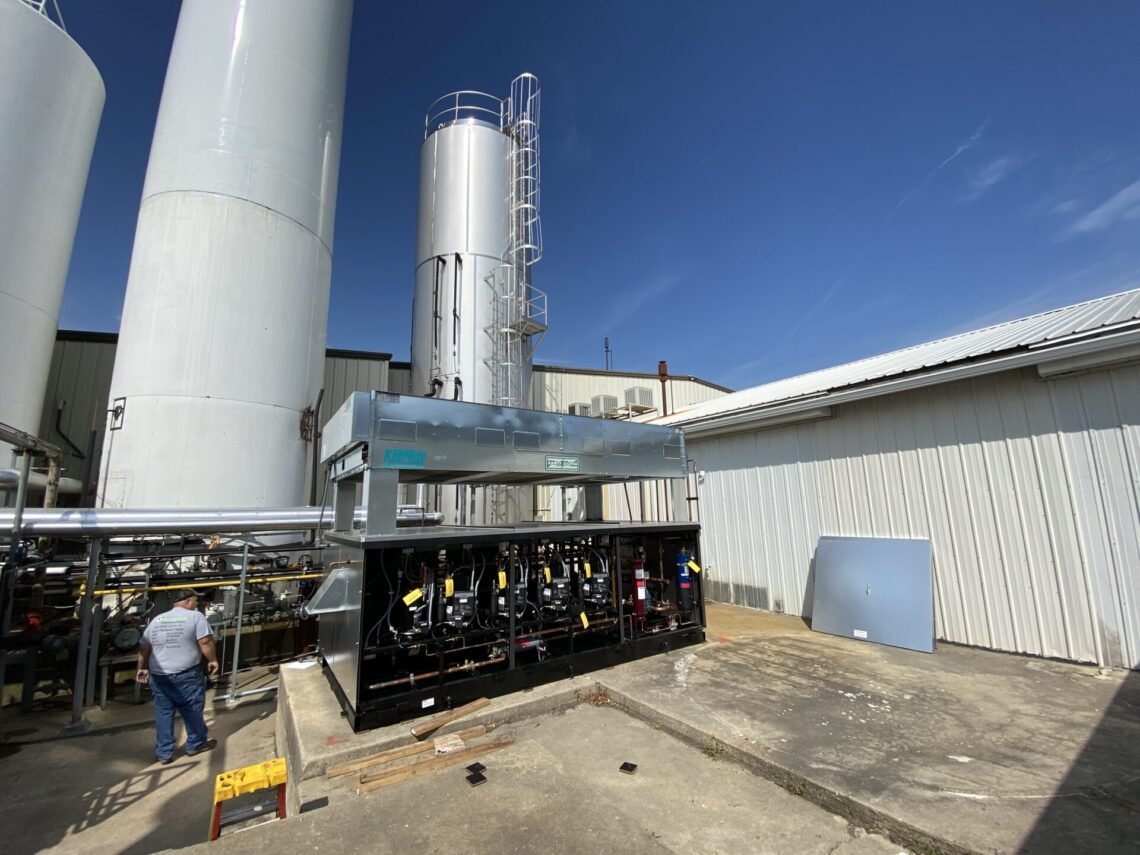
- Chillers (stand-alone with exiting fluid ≥-22°F):
- Compliance Date: January 1, 2026
- GWP Limit: 700
- Industrial Process Refrigeration (not using chillers):
- Compliance Date: January 1, 2026
- Products: High temperature side of cascade and temperature of the refrigerant entering the evaporator ≥-22°F.
- GWP Limit: 300
- Products: With ≥200 lbs charge excluding high temperature side of cascade and temperature of the refrigerant entering the evaporator ≥-22°F.
- GWP Limit: 150
- Cold Storage Warehouses (≥200 lbs charge):
- Compliance Date: January 1, 2026
- GWP Limit: 150
- Cold Storage Warehouses (<200 lbs charge and high temperature side of cascade):
- Compliance Date: January 1, 2026
- GWP Limit: 300
What does this mean?
Industrial refrigeration facilities—including cold storage warehouses, food processing plants, ice rinks, and pharmaceutical companies—must transition to low-GWP refrigerants by the compliance dates of their specific equipment type and applications. After these deadlines, new installations or major system rebuilds must use approved low-GWP refrigerants such as CO2, A2L blends, Ammonia, or Propane.
Low-GWP Refrigerant Options
Zero Zone’s “Refrigerants of 2026” blog outlines the industry’s move towards low-GWP refrigerants such as CO2, Ammonia, A2Ls, and Propane. These refrigerants not only meet the new AIM Act requirements but also deliver reliable performance for both retail and industrial refrigeration systems.
- Low-GWP Refrigerants:
- CO₂ (R-744): A highly available, non-toxic natural refrigerant with a GWP of 1. Widely used in retail and industrial refrigeration due to its efficiency and minimal environmental impact.
- Ammonia (R-717): A natural refrigerant with zero GWP and excellent thermodynamic properties. Commonly used in large industrial refrigeration systems; requires careful handling due to toxicity.
- A2L blends (R-455A, R-454C): Mildly flammable synthetic refrigerants with low GWP, designed to balance performance, safety, and regulatory compliance. Suitable for a range of commercial and industrial applications.
- Propane: A natural refrigerant with a GWP of less than 1 and high energy efficiency. The Zero Zone self-contained Guardian® Merchandiser uses propane as a refrigerant.
Zero Zone has the Experts
Navigating the AIM Act’s evolving regulations can be complex, but you don’t have to do it alone. At Zero Zone, our team of refrigeration professionals is dedicated to helping you make informed decisions every step of the way. Whether you’re upgrading equipment, planning a new installation, or simply seeking clarity on compliance requirements, we offer the expertise and resources you need to stay ahead.
From selecting the right low-GWP refrigerant to understanding sector-specific deadlines, Zero Zone provides personalized guidance and proven solutions for both retail and industrial customers. Our commitment to innovation, safety, and sustainability ensures your business remains compliant and competitive as the industry changes.
For more details on Zero Zone’s refrigeration solutions, visit our products page or connect with a sales rep today.