
Natural Refrigerants and the Future of Refrigeration System Design

Refrigerants Shape Systems, Not Just Performance
Refrigerants do more than transfer heat. The refrigerant selected for a refrigeration system influences system architecture, component selection, safety strategy, and control philosophy—and this has always been true in refrigeration engineering. Early refrigeration systems were built around natural refrigerants such as ammonia, carbon dioxide, and hydrocarbons (R-290), which delivered excellent thermodynamic performance but introduced distinct engineering challenges.
Ammonia required careful handling due to toxicity, carbon dioxide systems operated at high pressures, and hydrocarbon refrigerants introduced flammability considerations. At the time, refrigeration system technology was limited; materials, controls, and monitoring tools were not yet capable of actively managing these characteristics at scale.
As synthetic refrigerants such as CFCs, HCFCs, and later HFCs emerged, refrigeration architecture evolved around their lower pressures, reduced flammability risk, and low toxicity, making systems easier to design, install, and operate for decades. The principle remains the same today: refrigeration systems are designed around refrigerant behavior. What has changed is that modern engineering now allows natural refrigerants to be used again—not because the refrigerants have changed, but because refrigeration system technology has.
Natural Refrigerants in Early Refrigeration Systems
The Shift Toward Synthetic Refrigerants
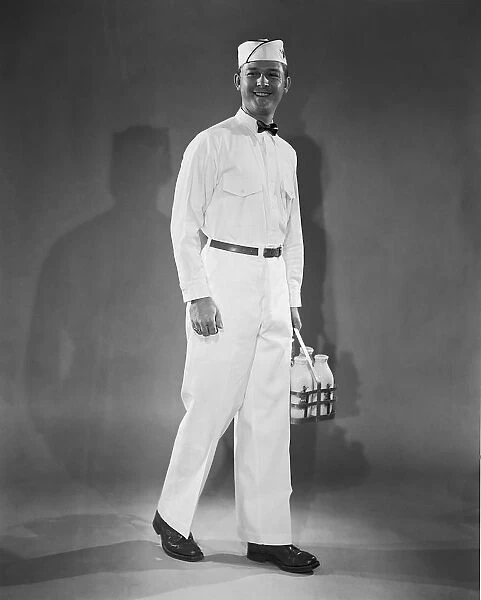
Beginning in the 1930s, synthetic refrigerants transformed refrigeration system design.
They offered several practical advantages:
- Lower operating pressures
- Reduced flammability risk
- Low toxicity
- Greater tolerance for imprecise system control
These properties allowed engineers to design refrigeration systems that were easier to install, operate, and maintain.
As a result, refrigeration expanded rapidly beyond industrial plants into supermarkets, residential refrigeration, and commercial air conditioning.
For decades, refrigeration equipment, service practices, and technician training all evolved around synthetic refrigerants.
However, the environmental cost of these refrigerants eventually became clear. Many synthetic refrigerants carry extremely high Global Warming Potential (GWP), and environmental regulations are accelerating their phase‑down.
The Return of Natural Refrigerants
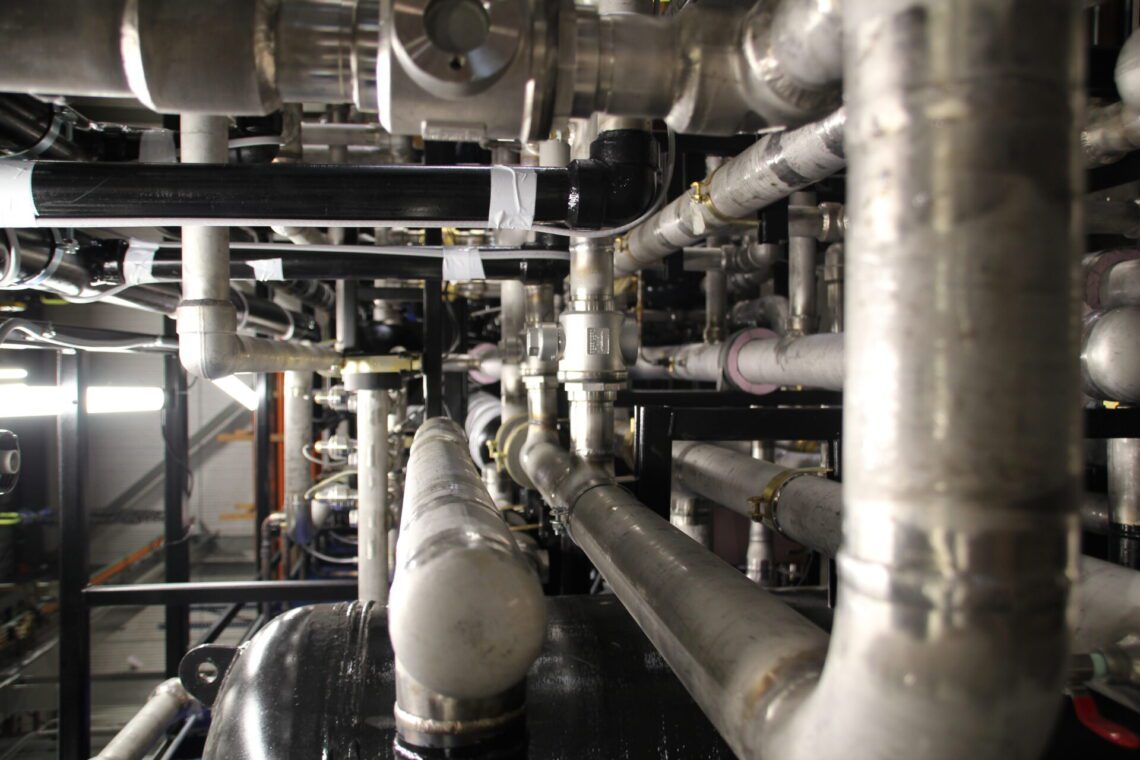
Natural refrigerants have not changed. What has changed is the technology surrounding refrigeration systems.
Modern refrigeration platforms now incorporate advanced engineering tools that allow engineers to actively manage refrigerant behavior. These tools include:
- Electronic expansion valves that precisely regulate refrigerant flow
- Variable-speed compressors that match system capacity to real load conditions
- Advanced leak detection and monitoring systems
- Improved piping materials and metallurgy
- Intelligent electronic control systems
These technologies allow refrigeration systems to safely manage high pressures, flammability risks, and other characteristics that previously limited natural refrigerants.
Instead of forcing refrigerants to behave like legacy HFC systems, engineers are now designing refrigeration architectures that leverage the natural strengths of these fluids. Natural refrigerants are becoming a foundation for the next generation of refrigeration system design.
Zero Zone: Integrated Refrigeration for Modern Systems
Zero Zone Genesys™ Natural Refrigeration Systems
CO₂ Systems
Zero Zone Edge Compact™
Ammonia for Industrial Refrigeration
The Guardian® Merchandiser
Supporting the Future of Sustainable Refrigeration
The refrigeration industry is entering a period of rapid transformation. Environmental regulations, energy efficiency goals, and evolving refrigerant technologies are reshaping how refrigeration systems are designed and deployed.
Natural refrigerants are returning not because the industry is looking backward, but because modern engineering now allows their advantages to be fully realized.
Through integrated refrigeration systems and advanced display case technology, Zero Zone continues to help the refrigeration industry navigate this transition with solutions that balance performance, sustainability, and reliability.
As refrigeration technology evolves, system‑level engineering will remain essential—and Zero Zone remains committed to designing refrigeration solutions that support the next generation of commercial and industrial refrigeration systems.
If you would like to learn more about Zero Zone solutions, visit our products page or contact a sales representative today.