
A Platform Approach to CO₂: The Genesys™ Edge™ Compact®
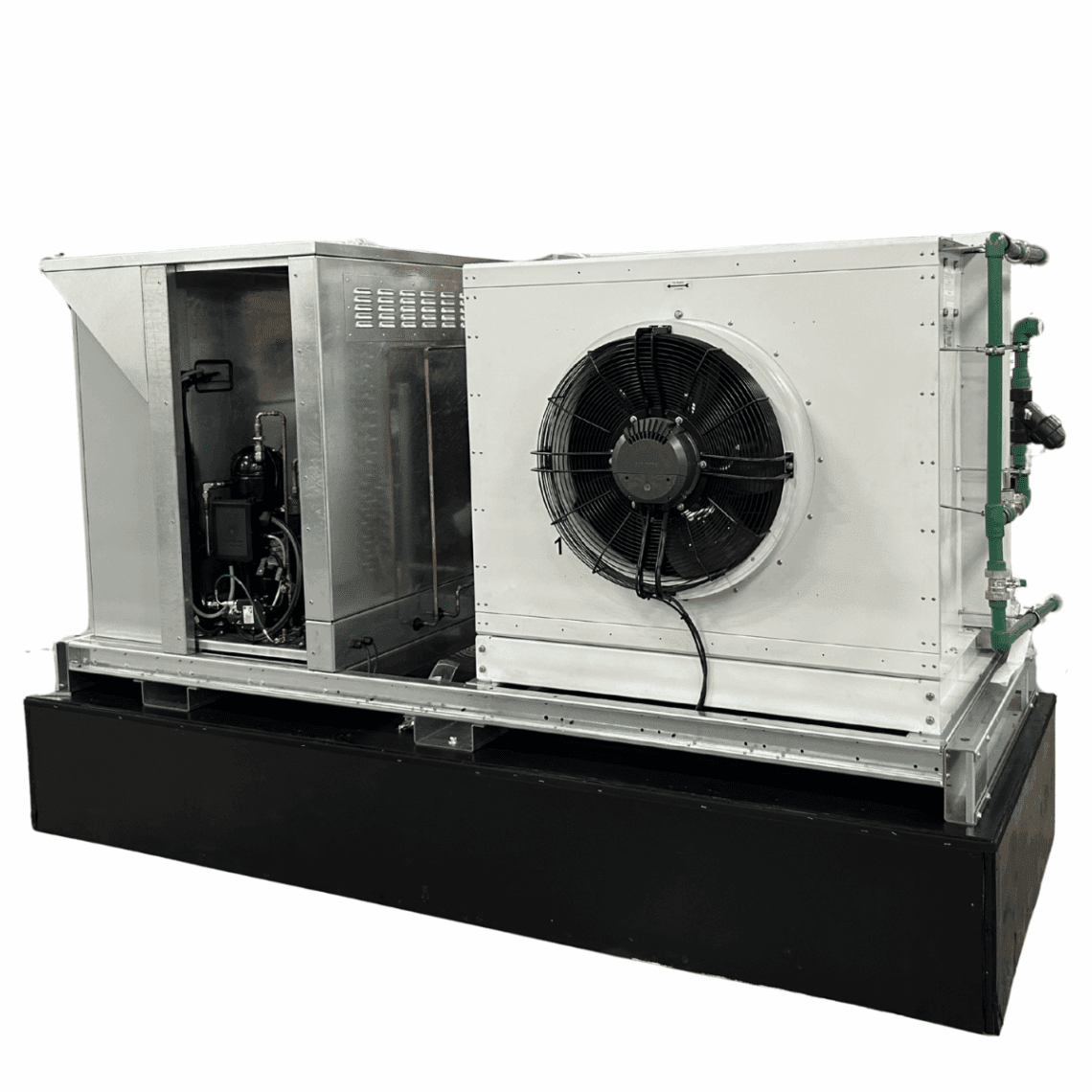
CO2 (R‑744) refrigeration systems are increasingly becoming a consideration for modern commercial and industrial refrigeration systems. As regulations tighten and sustainability goals move from long‑term aspirations to immediate requirements, the industry is re‑examining refrigerant choices with a focus on environmental impact, system performance, and long‑term viability.
With a global warming potential (GWP) of 1, CO2 offers a future‑ready alternative to high‑GWP synthetic refrigerants. Beyond regulatory compliance, CO2 systems have demonstrated strong performance characteristics, particularly in applications that benefit from heat rejection capability and opportunities for heat reclaim.
At the same time, CO2 refrigeration presents a different set of design considerations than traditional HFC systems. Operating pressures are significantly higher, particularly in transcritical applications, placing greater demands on system components, piping, and controls. Gas cooler performance, oil management strategies, and effective capacity modulation all play a critical role in ensuring reliable, efficient operation.
These elevated pressures require components specifically engineered to withstand sustained mechanical and thermal loads. From compressors and valves to piping and heat exchangers, system durability is not optional—it is foundational to long‑term performance and safety in CO2 refrigeration.
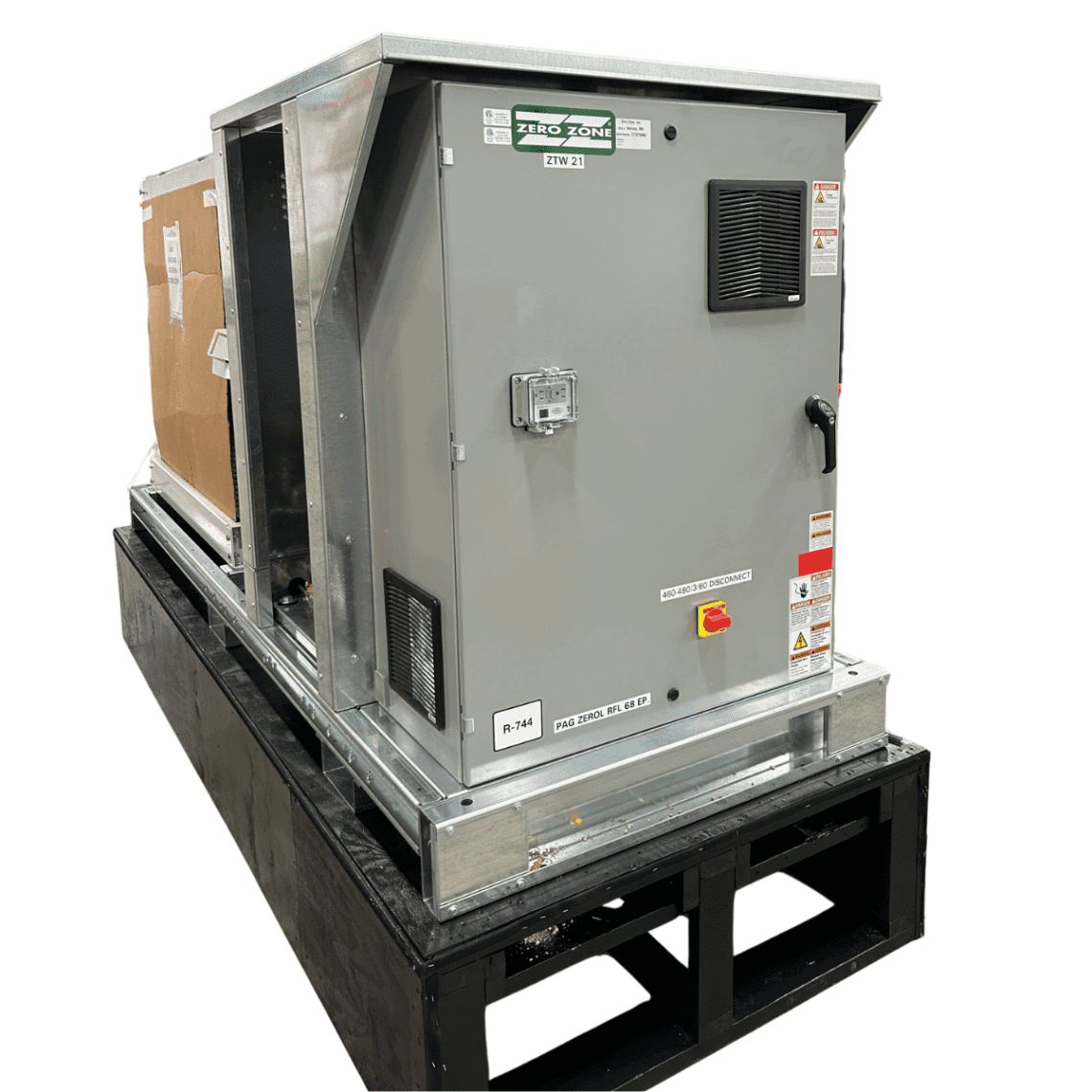
Genesys™ Edge™ Compact®
Effective CO2 refrigeration system design must address:
- High-pressure operation (130/90-bar rated components)
- Capacity modulation across variable load profiles
- Stable oil return
- Reduced pressure drop through optimized piping layouts
- Ambient performance management in high-temperature environments
By distributing capacity across multiple modular condensing units, planners and engineers can reduce refrigerant line lengths, improve oil return reliability, and maintain consistent suction stability. This architectural approach enhances both system resilience and serviceability.
Compressor Technology and Active Oil Management
At the center of the Genesys™ Edge™ Compact® platform CO2 condensing unit is a Copeland™ scroll compressor engineered specifically for transcritical CO2 operation. Scroll compressors provide stable high-pressure performance, reduced vibration, and wide turndown capability, making them well suited for variable-load refrigeration environments.
Because oil management is critical in CO2 systems, the platform integrates an active oil management system designed to maintain consistent lubrication under changing load conditions. Proper oil circulation reduces internal wear, supports compressor longevity, and enhances overall system reliability.
Why Modular CO₂ Condensing Units Improve System Performance
Centralized refrigeration systems are often sized to accommodate anticipated future expansion. While this approach provides additional installed capacity, it also results in systems operating at part load for extended periods. Under these conditions, compressors cycle more frequently, part‑load efficiency decreases, and system complexity increases due to the need for broader capacity control. Larger centralized systems also require additional piping and controls, which expands installation scope and increases service complexity.
In CO2 refrigeration systems, excess installed capacity can introduce additional operational challenges. Elevated operating pressures and variable system conditions place greater importance on stable oil return and pressure control. When systems operate below their intended load range, maintaining consistent oil circulation and pressure stability becomes more difficult, increasing the demands placed on system controls.
A modular CO2 condensing unit architecture allows refrigeration capacity to be added in defined increments. This approach aligns installed capacity more closely with actual load requirements and limits extended low‑load operation. Modular system designs also allow individual units to be isolated for service or expansion, reducing system disruption while maintaining required operating capacity.
Ambient Temperature Optimization in CO₂ Refrigeration
Ambient temperature plays a significant role in the efficiency of CO₂ refrigeration systems. Elevated conditions increase discharge pressure and impact gas cooler performance. To address this, optional adiabatic or dry gas cooling configurations are available to reduce refrigerant inlet temperature during peak ambient conditions.
These configurations stabilize system pressures, improve heat rejection, and enhance energy efficiency without requiring oversized refrigeration equipment. This approach supports predictable year-round performance in outdoor or rooftop installations.
Simplified Installation and Serviceability
Platform-based CO₂ refrigeration systems streamline installation and maintenance. Distributed condensing units reduce long refrigerant piping runs, minimize pressure drop, and support more consistent oil return. Service-friendly layouts improve component access and reduce downtime during maintenance or repairs.
For contractors and facility operators, this translates to reduced installation time, improved service efficiency, and lower total cost of ownership over the life of the system.
A Scalable CO₂ Refrigeration Platform for the Future
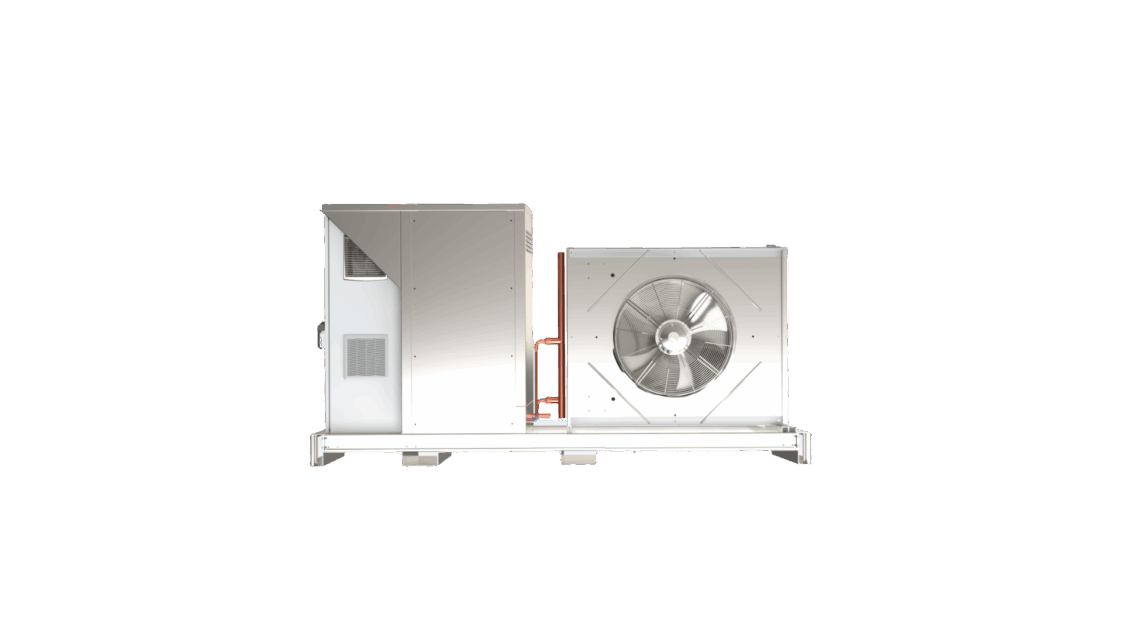
As regulatory requirements continue to phase down high-GWP refrigerants, adoption of transcritical CO2 refrigeration systems will accelerate across grocery, retail, and light industrial markets. Modular CO2 condensing units provide a scalable, architecture-driven solution that balances performance, redundancy, and long-term reliability.
The Genesys™ Edge™ Compact® CO2 condensing unit integrates high-pressure capability, active oil management, capacity modulation, and ambient adaptability into a cohesive refrigeration platform. By aligning system architecture with the operational realities of transcritical CO2 this platform approach supports sustainable, efficient refrigeration design today and into the future.
To learn more about the Genesys™ Edge™ Compact® CO2 condensing unit or to discuss application considerations, contact your Zero Zone sales representative.